

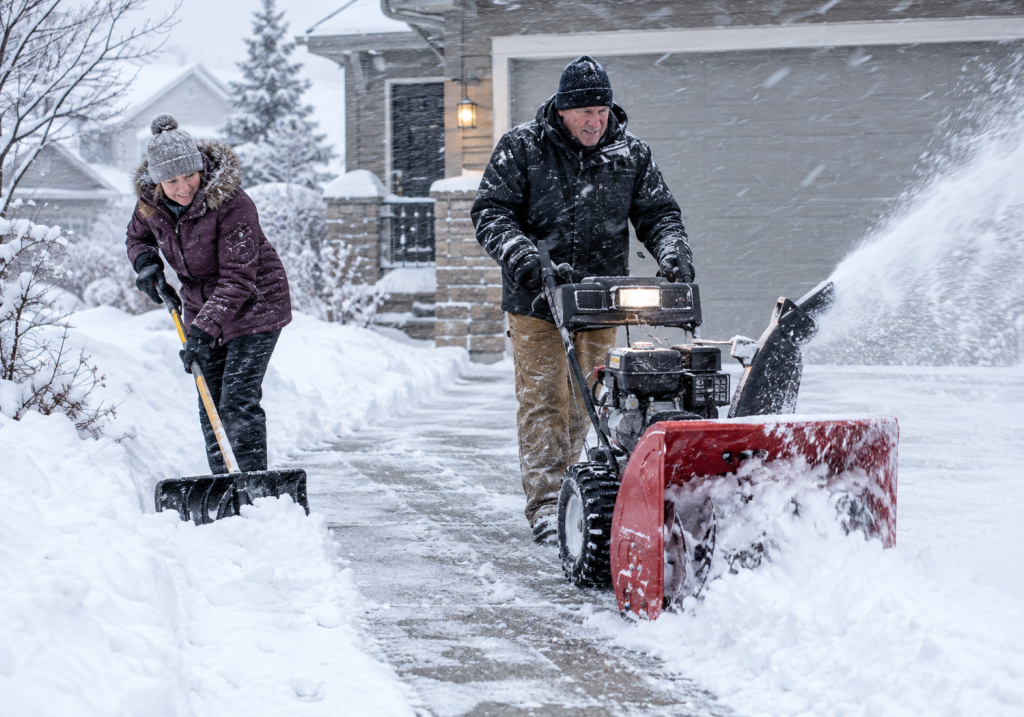
Table of Contents:
2. Understanding Snow Blowers: The Basics
- 2.1 What Is a Snow Blower?
- 2.2 Types
3. Are These Machines Dangerous to Operate?
- 3.1 Safety Statistics
- 3.2 Common Injuries and Hazards
4. Preventing Injuries
- 4.1 Safety Precautions
- 4.2 Wearing Protective Gear
5. Choosing the Right Size and Power for Your Residence
- 5.1 Horsepower Considerations
- 5.2 Matching Size to Your Need
6. Conclusion
1. Introduction: Snow Shovelling and Snow Removal Winnipeg: About Snow Blowers
Related Reading: What Our Customers Have To Say About Sunshine's Snow Removal Services: Winnipeg Snow Removal Experts Serving Winnipeg For 30+ Years.
Contact us today for your free estimate.
Call (204) 229-9789 today to speak with one of our Sunshine Maintenance & Landscaping Professionals.
Call today for a free quote — no pressure, just honest advice.

2. Understanding Them - The Basics:
2.1 What Is a Snow Blower?
2.2 Types:
There are generally three types of these machines available on the market:
- Single-Stage: Ideal for residential use, these are lightweight and easy to maneuver, making them great for driveways and sidewalks under 8 inches of accumulated snowfall. They function well on hard surfaces but may struggle with gravelly pathways.
- Two-Stage: These are workhorses l, capable of handling deeper accumulations. They feature a powerful engine that drives the auger and impeller separately, allowing them to clear heavier amounts of snowfall across varied surfaces with ease.
- Three-Stage: Three-stage models are designed for extreme conditions (think snowstorms that make you question your commitment to shovelling). They utilize an extra auger for even quicker processing of snowfall, aimed more toward commercial settings or homes in regions experiencing significant accumulations. Understanding these options is the first step in making a wise purchase that will keep your driveway snow removal game strong throughout the frigid months.
3. Are Snow Blowers Dangerous to Operate?
Related Reading: An interesting article about the risks of DIY snow shovelling.
3.1 Safety Statistics:
Contact us today for your free estimate.
Call (204) 229-9789 today to speak with one of our Sunshine Maintenance & Landscaping Professionals.
Serving Winnipeg homeowners and property manager for 30+ years

3.2 Common Injuries and Hazards Injuries commonly reported from operating these machines include:
- Lacerations and Cuts: These occur due to direct contact with the machine’s blades during operation, especially if the user attempts to clear a clog with their hands.
- Crush Injuries: These happen if a user slips or loses control while maneuvering, leading to foot or hand injuries.
- Hearing Damage: Prolonged exposure to the loud sounds can lead to hearing damage or loss, making ear protection critical.
- Frostbite or Cold-Related Injuries: Cold weather is an ever-present danger when using outdoor machinery without proper gear; long exposure can lead to serious conditions.
4. Preventing Injuries:
4.1 Safety Precautions:
1. Read the Manual: It's truly baffling that so many people ignore this! Manufacturer instructions provide insight into specific operations that relate to your particular model.
Related Reading: Your Ultimate Guide to Hiring a Winnipeg Snow Shovelling & Snow Removal Service: by Sunshine Maintenance & Landscaping
Ready to chat about your snow management needs?
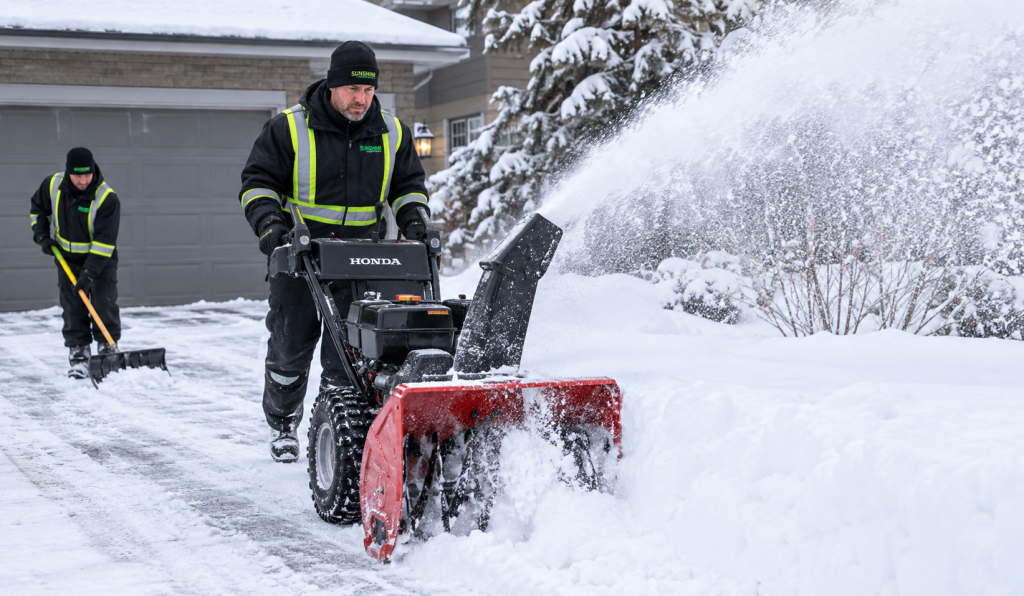
Reach out TODAY by call or text to: 204-229-9789 or click here to submit your information today to arrange a “no obligation” introductory phone call. We look forward to helping you with your yard.
5. Choosing the Right Size and Power for Your Residence:
5.1 Horsepower Considerations
- Single-Stage Models:
Horsepower typically ranges from 4 to 6 HP, making these ideal for lighter, fluffier accumulations found on sidewalks or driveways where mobility is essential.
- Two-Stage Models:
- Three-Stage Models:
Contact us today for your free estimate.
Call (204) 229-9789 today to speak with one of our Sunshine Maintenance & Landscaping Professionals.
We're in your neighbourhood and we're ready to help
5.2 Matching Size to Your Need:
- Driveways Under 100 Feet: Usually, a single-stage blower is sufficient.
- Driveways Over 100 Feet: Here’s where the two-stage models are more appropriate, especially if icy or deep conditions are expected. Asking yourself how often you’ll need to clear accumulated snowfall is an excellent practice too. If you anticipate regular use, it's wiser to invest in a well-suited model rather than skimping on power.
6. Conclusion:
Contact us today for your free estimate.
Call today for a free quote — no pressure, just honest advice. Tha's the Sunshine way!
7. FAQs
Q: How do I store my snow blower during Winnipeg's off-season to ensure it starts reliably next winter?
A: Proper off-season storage is critical in Manitoba's climate. Before storing your machine for spring and summer, run the engine until the fuel tank is empty or add a fuel stabilizer—stale gasoline is the number one reason snow blowers fail to start in November.
Change the oil, inspect the auger and impeller for wear, and check the shear pins. Store the unit in a dry garage or shed, and consider fogging the cylinder with oil to prevent internal rust. Winnipeg's humidity swings can corrode unprotected metal, so a quick coat of oil on exposed surfaces goes a long way. Come fall, fresh fuel and a new spark plug will have you ready for the first snowfall.
Q: What is the difference between a snow blower and a snow plow, and which is better for residential driveways in areas like Headingley or OakBluff?
A: A snow blower is a walk-behind or ride-on machine that picks up snow and throws it clear of your driveway, while a snow plow is a blade—often attached to a truck or ATV—that pushes snow to the side.
For residential driveways, snow blowers are generally more practical because they clear snow completely rather than piling it at the edges, which can create massive banks over a long winter.
However, homeowners in larger properties around Headingley or Oak Bluff, where driveways are longer and snow accumulation can be heavier, often find that a plow service or a combination approach works best.
A two-stage blower is usually the sweet spot for these semi-rural properties, offering enough power to handle drifts without the bulk of commercial equipment.
Q: Can I use a snow blower on a gravel driveway without damaging it or the machine?
A: Yes, but with important precautions. Single-stage models with rubber augers are generally not recommended for gravel, as they can pick up stones and cause damage or injury.
Two-stage and three-stage models handle gravel better because the auger sits slightly higher, but you should still adjust the skid shoes to raise the auger housing above the gravel surface. Always clear in the same direction and avoid going too fast.
If your gravel driveway in Winnipeg or the surrounding rural municipalities is uneven or has loose stones, consider a plow or shovel for the first few snowfalls until the ground freezes solid, then switch to the blower.
Q: How much maintenance does a snow blower require to stay reliable through a Winnipeg winter?
A: Snow blowers are relatively low-maintenance, but neglect is the quickest way to a mid-winter breakdown. Before the season starts, change the oil, replace the spark plug, inspect the belts and cables, and sharpen or replace the auger blades if needed.
During the season, check the oil level before each use, keep the chute and impeller clear of ice buildup, and tighten any loose bolts caused by vibration. After each use, let the machine run for a minute to clear residual snow from the auger housing—this prevents freeze-up.
At the end of the season, stabilize the fuel and store it dry. Winnipeg's extreme temperature swings make routine checks especially important, but a well-maintained blower will last a decade or more.